Are you worried about leaving money on the table or, worse, watching your home sit with no offers? Pricing is the lever that controls traffic, time on market, and your final net. In Pensacola, a smart price does more than look good online. It creates urgency in week one and sets you up to negotiate from strength. In this guide, you’ll learn how to price with confidence using local comps, months of inventory, and a simple launch plan. Let’s dive in.
Pensacola market snapshot
As of late 2025 to Jan 31, 2026, public portals show a split in headline numbers. A Realtor.com snapshot in Dec 2025 reported a median listing metric around $310,000 with average days on market near 90 days. Zillow’s typical‑home value index for Pensacola sat lower at about $258,054, with a median sale price in the high $200Ks over a similar window. Different methods and map boundaries explain the gap, which is why your final list price should come from a local CMA.
Inventory also matters. Using a recent estimate of roughly 2,256 active listings and about 4,869 residential sales over the last 12 months, Pensacola’s months of inventory worked out near 5.6 months. That sits in a balanced to slightly buyer‑leaning range, so your price and presentation need to earn attention.
Pensacola’s demand is diverse. Higher education growth, with University of West Florida enrollment topping 15,000 students in Fall 2025, helps support activity in some neighborhoods. Tourism and visitor traffic also fuel year‑round interest in parts of the market.
Build your price with a CMA
A Comparative Market Analysis (CMA) looks at similar homes that sold recently and what’s on the market today. Sold comps show what buyers actually paid. Active listings show your competition.
A strong CMA will:
- Use 3 to 6 recent solds from the last 60 to 180 days that match property type, size, lot, and proximity.
- Include 3 to 6 active listings to understand your competition right now.
- Add 2 to 4 expired or withdrawn listings to see where buyers said “no.”
- Adjust for condition, updates, usable square footage, roof age, HVAC, and major systems. For coastal and near‑water homes, document elevation, flood zone, and insurance history. You can reference FEMA resources for flood questions and local disclosures.
Sample Pensacola comps
Below are recent examples you can use to understand range and value signals. In a true CMA, you would use the closest matches to your home and adjust for features and condition.
| Address | Close Date | Sold Price | Beds/Baths/Sqft | Approx $/Sqft | Notes |
|---|---|---|---|---|---|
| 9190 Brunson Rd | Jan 28, 2026 | $281,250 | 3/2/1,257 | ≈ $224 | Starter to lower‑mid price band |
| 25 Escalona Ave | Dec 30, 2025 | $270,000 | 3/2/1,406 | ≈ $192 | Typical single‑family example |
| 6511 Chardonnay | Jan 26, 2026 | $610,000 | 4/3/2,926 | ≈ $209 | Larger, premium segment |
These three show how price per square foot swings based on location, size, and features. Your final list price should reflect upgrades, yard and outdoor living, garage count, and proximity to water or major employers.
Adjust for condition and risk
Appraisers and buyers pay close attention to big‑ticket items and risk. Roof and HVAC age, electrical and plumbing condition, and any insurance claims can move your value. For coastal homes, document flood zone, elevation, and any mitigation work. Use FEMA’s community tools to verify status and plan disclosures. Pricing that ignores these items can create appraisal shortfalls and renegotiations.
- Learn the key market math behind inventory and absorption: months of inventory explained
- Check flood and community resources: FEMA flood insurance and community tools
Use months of inventory (MOI)
Months of inventory tells you how fast homes like yours are selling.
- Formula: MOI = current active listings ÷ average monthly closed sales.
- Local example: 2,256 active listings ÷ (4,869 sales ÷ 12) ≈ 5.6 months.
A common rule of thumb: under about 4 months favors sellers, 4 to 6 months is balanced, and over 6 months favors buyers. If your neighborhood or price band runs faster than the city average, you can price more boldly. If it runs slower, you should price to the market and focus on presentation.
What MOI means for strategy
- Fast sub‑market (under ~4 months). Consider pricing at market or slightly under to create competition and push your sale‑to‑list ratio higher.
- Balanced band (about 4 to 6 months). Price precisely at market using the strongest sold comps. Expect normal negotiation.
- Slower pocket (over ~6 months). Lead with value and perfect your presentation. Price supported by closed comps to avoid appraisal risk.
If you want more context on negotiation leverage, review why sale‑to‑list ratio matters and how it signals buyer or seller power. Read an overview of the metric here: what a sale‑to‑list ratio tells sellers.
Price and timing work together
The first 7 to 14 days drive the most online views and showings. Launching on a Tuesday to Thursday builds to weekend traffic. If your timing is flexible, many markets see mid‑April weeks perform best historically, which can increase attention on day one. See national timing trends here: best time to sell analysis.
Presentation that supports price
Staging and light updates can shorten days on market and lift perceived value. Industry surveys show staging often leads to faster sales and a 1 to 10 percent uplift in some cases. Focus on the highest return:
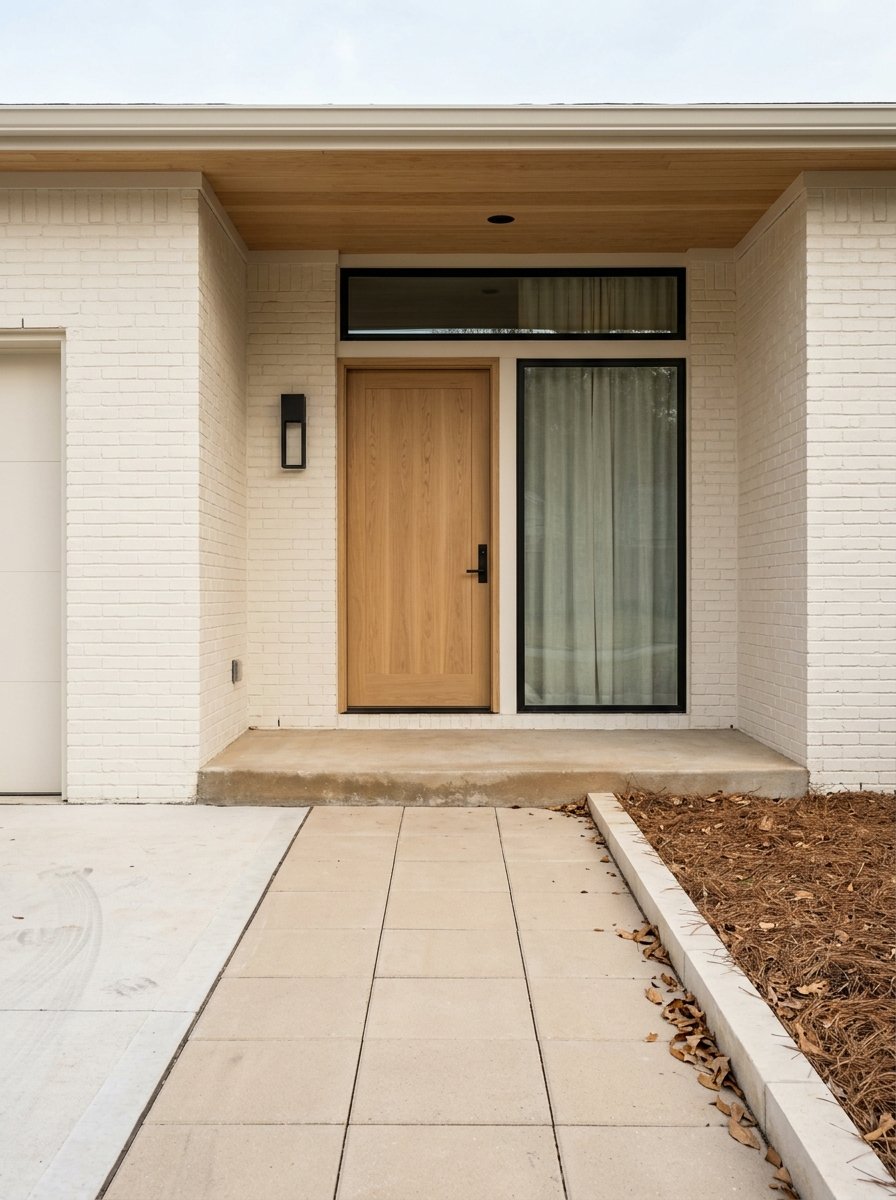
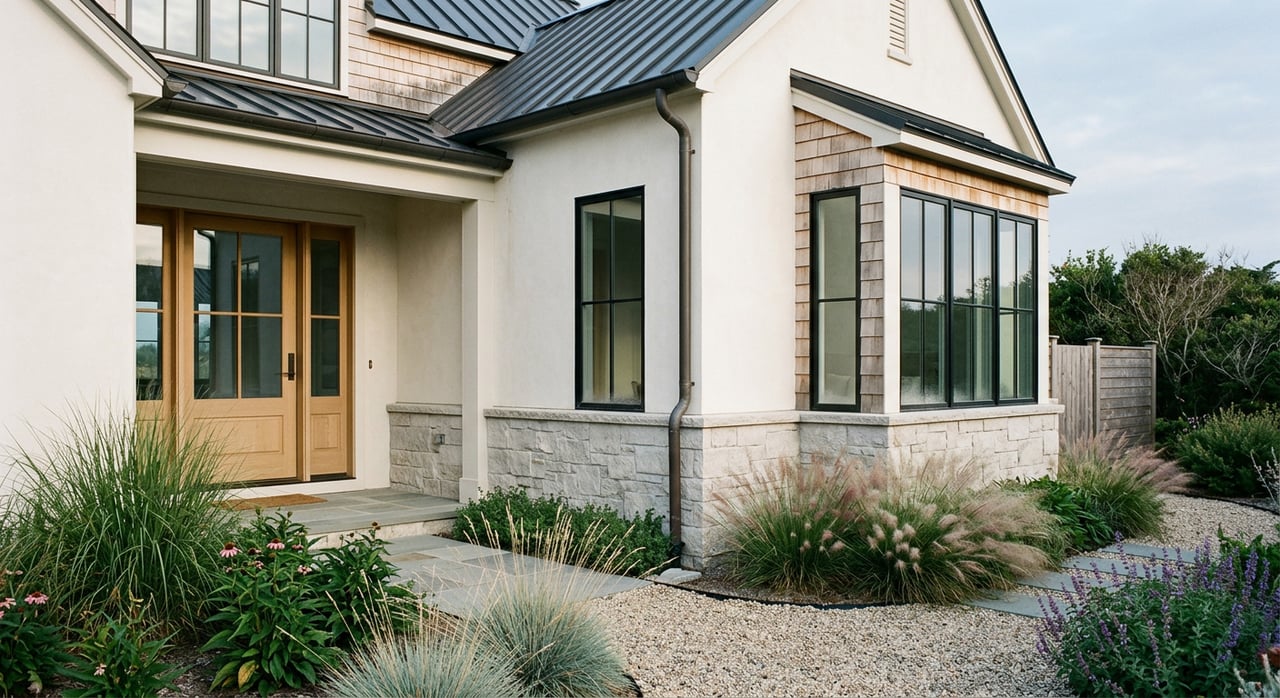
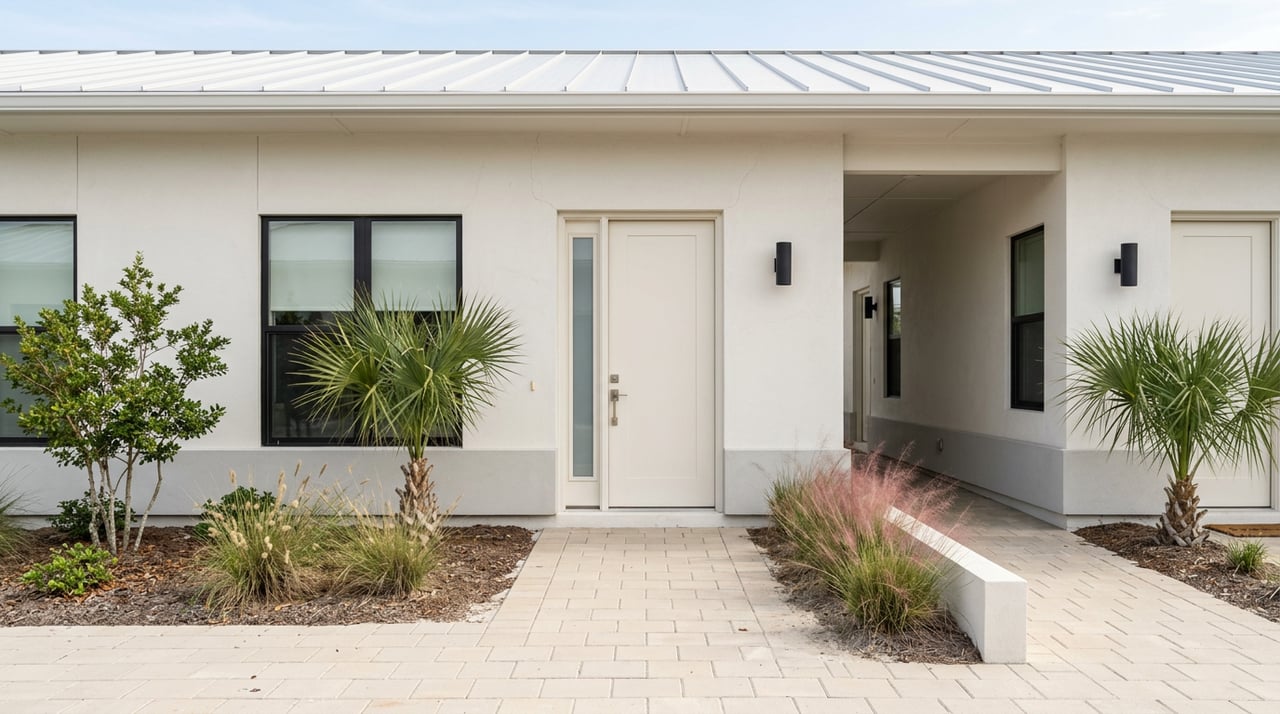
- Curb appeal: fresh mulch, trimmed shrubs, clean entry.
- Paint and deep clean: neutral walls, bright bulbs, spotless floors.
- Declutter and depersonalize: clear counters, open closets, tidy garage.
- Stage key rooms: living room, kitchen, primary bedroom, and baths.
- Document upgrades: roof, HVAC, plumbing, permits, warranties.
Learn more about how targeted prep can boost results: maximize resale value with staging insights.
Smart price psychology
Most buyers search by round‑number cutoffs, such as $300,000, $350,000, or $400,000. Pricing just under a key threshold, like $299,900 instead of $305,000, can improve search exposure and early traffic. Monitor the closest competing actives and pick a number that optimizes both visibility and value. For a quick read on this tactic, see this overview: pricing near round‑number thresholds.
Michael Tracy pricing plan
Use this step‑by‑step checklist to price and launch with confidence.
8 to 12 weeks before list day
- Order a pre‑listing inspection for roof, HVAC, electrical, plumbing, and termite. Get bids and fix safety or insurance‑sensitive items first.
- Gather records: warranties, permits, survey, and elevation certificate if applicable.
6 to 8 weeks before list day
- Choose your target launch week. If you can, aim for the high‑traffic spring window. Otherwise pick a mid‑week go‑live day and book photography.
- Build a CMA split by your price band and neighborhood. Calculate MOI for your exact segment and set an initial price range with a clear review plan.
3 to 4 weeks before list day
- Complete high‑ROI repairs. Deep clean, declutter, and stage main rooms.
- Book pro photos, drone if helpful, and a 3D tour.
Launch week
- Go live Tuesday to Thursday. Keep showing windows flexible for the first 10 days.
- Set an offer‑review protocol in writing. You can either accept strong pre‑emptive offers or set a firm offer deadline. Treat buyers fairly and focus on net and certainty.
First 7 to 14 days
- Track online views, saves, and inquiries. Log showings and agent feedback.
- If you see low traffic in the first 7 to 10 days, price is usually the issue. Many agents recommend a prompt, credible adjustment rather than waiting. See a practical discussion here: early pricing feedback and adjustments.
Offers and acceptance
- Compare net proceeds and certainty. A slightly lower cash or fully underwritten offer can beat a higher, riskier one with many contingencies.
- If multiple offers come in, you can run a clear “best and final” process. Focus on net, appraisal risk, and timing.
After acceptance
- Confirm earnest money, set expectations for appraisal and inspections, and keep strong backups warm when possible.
Key metrics to track
- Local median list price, median sale price, and price per square foot. Use portal ranges as directional, then finalize with your CMA.
- Active listings and months of inventory for your exact price band and ZIP. You can review local market trends here: Pensacola trend snapshot.
- Median days on market for homes like yours and the area’s sale‑to‑list ratio.
- First‑week showings and online views. Week one should deliver the most attention if the price and photos are right.
The bottom line
In a near‑balanced Pensacola market, the right price is the one that earns strong interest in week one and stands up to appraisal. Anchor your number to recent sold comps, shape your strategy with months of inventory, and support the price with great presentation. If you want a clear, data‑driven path to market, reach out to Michael Tracy for a free consultation and a custom CMA.
FAQs
What is a CMA and how does it set my Pensacola list price?
- A CMA compares your home to recent nearby sales and current competition, then adjusts for size, condition, features, and location so you can set a price that attracts showings and supports appraisal.
How do I calculate months of inventory for my neighborhood?
- Use MOI = active listings ÷ average monthly sales. Example: 2,256 actives ÷ (4,869 sales ÷ 12) ≈ 5.6 months. Faster MOI supports bolder pricing, slower MOI calls for value.
Should I price above market to leave room to negotiate?
- Usually no. You risk missing the first‑week surge and facing an appraisal shortfall. Price at or just under market to create competition, then negotiate from a stronger position.
When is the best time to list in Pensacola?
- Many markets see mid‑April as a high‑attention week and listings get most views in the first 7 to 14 days, so time your launch mid‑week and plan ahead for photos and showings.
What prep moves raise my price the most?
- Focus on curb appeal, fresh paint, a deep clean, decluttering, and staging the main rooms. Document recent system upgrades like roof and HVAC to support value and reduce risk.