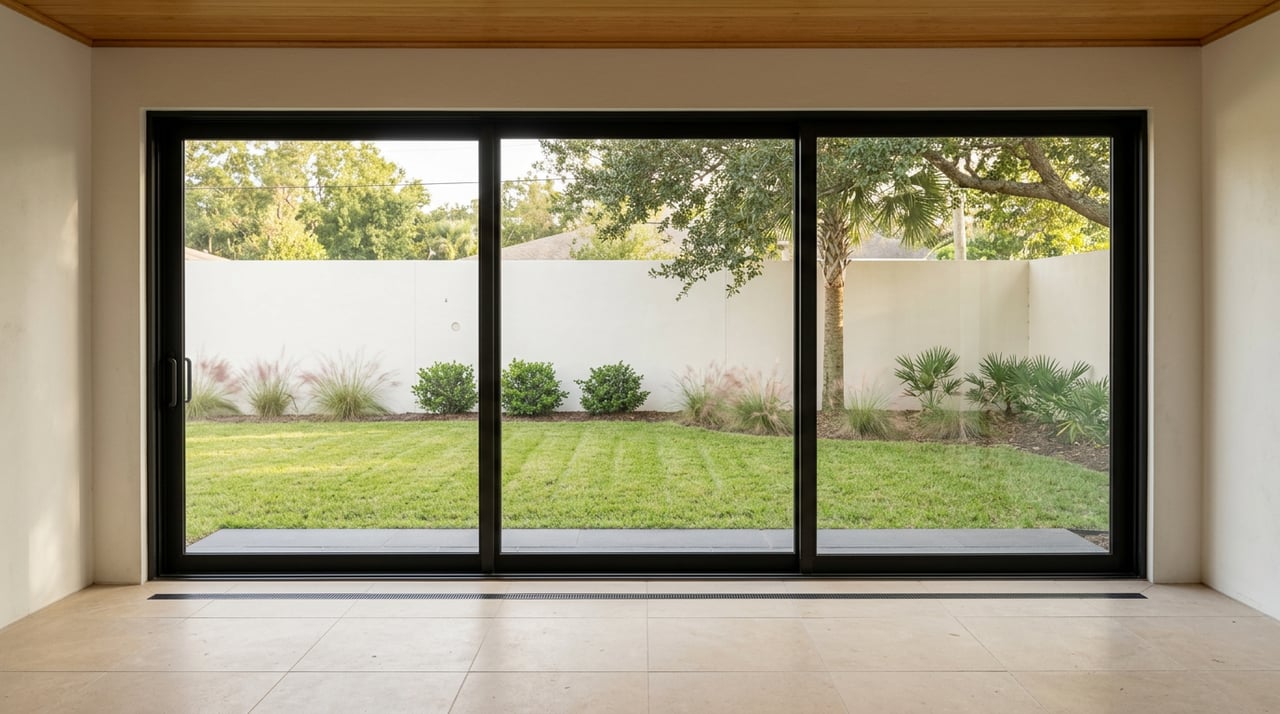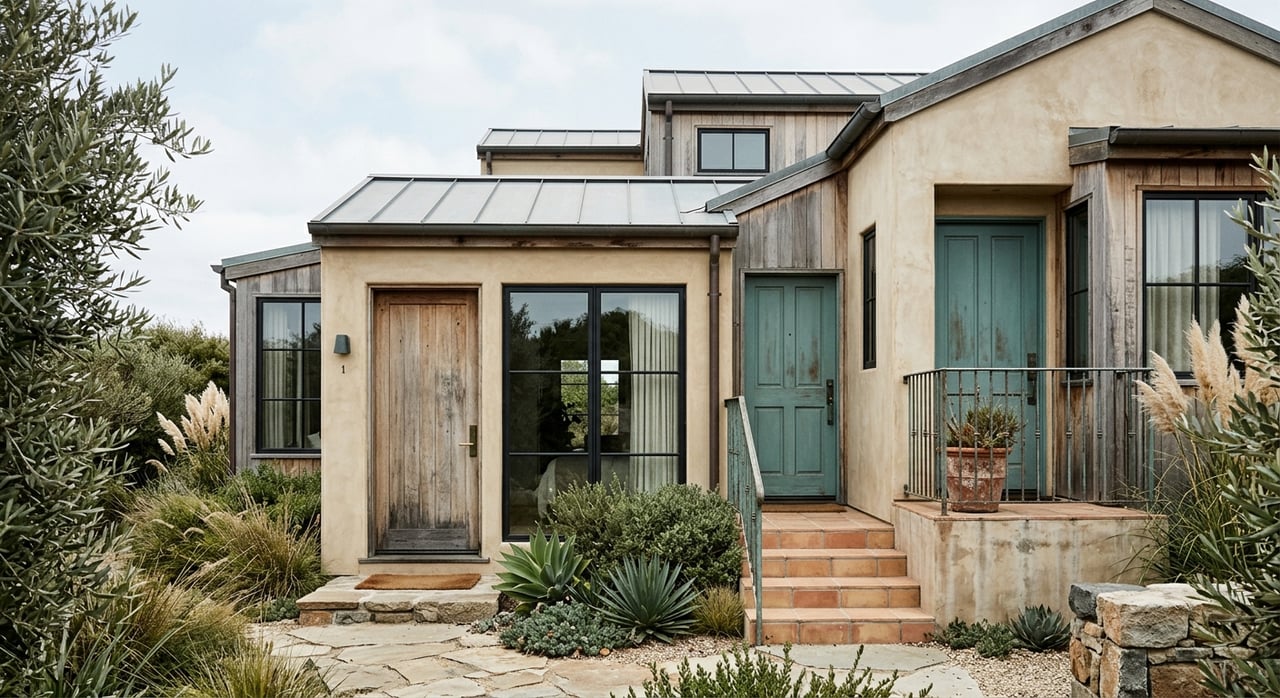
Wondering if a condo or townhome in Navarre could give you the easier, lock-and-leave lifestyle you want? You are not alone. Many buyers want less exterior upkeep, more predictable maintenance, and better access to coastal amenities, but the fine print matters just as much as the view. This guide will help you compare Navarre condos and townhomes, understand fees and rules, and make a smarter decision before you buy. Let’s dive in.
Why Navarre Appeals to Low-Maintenance Buyers
Navarre offers a mix of inland, sound-side, and beachfront properties, which gives you more than one path to low-maintenance living. You can find smaller inland townhomes with simpler dues, waterfront options with shared amenities, and beachfront condos built around resort-style features.
Price points vary depending on location and property type. Current market snapshots show 63 condos for sale in Navarre at a median listing price of $399K, while 76 townhomes are listed at a median listing price of $448K. On Navarre Beach, the coastal premium becomes clearer, with 61 condos at a median listing price of $690K and 27 townhouses at a median listing price of $562K.
Recent sale trends support that same pattern. Over the last three months, Navarre's median sale price is about $430K, while Navarre Beach is closer to $795K. If you want direct beach access or a resort-style building, you should expect that premium to show up in both price and monthly carrying costs.
Condo vs Townhome: Know the Difference
The biggest mistake buyers make is assuming a condo and a townhome work the same way. In Navarre, the legal setup can affect your dues, your maintenance responsibilities, and your ability to rent the property later.
Many townhomes are governed by homeowners' association documents under Chapter 720, while condos fall under Chapter 718. That means the declaration, bylaws, title documents, and association records should shape your expectations more than the listing description.
In practical terms, two homes with similar square footage can come with very different obligations. One association may handle major exterior items and insurance, while another may cover only limited common-area maintenance. Before you focus on finishes or furniture placement, confirm what type of ownership you are actually buying.
What Low-Maintenance Really Means
Low-maintenance does not mean no maintenance. It usually means you are sharing certain costs and responsibilities through an association instead of handling every exterior issue on your own.
In Navarre, that can be a real benefit. Many listings advertise features such as pools, private beach access, docks or boat slips, elevators, covered parking, garages, gated entry, fitness rooms, tennis or basketball courts, and landscaping maintained by the association.
Still, coverage varies widely. Some associations also include recurring services such as water and sewer, pest control, trash, insurance, or even land-lease payments, while others cover much less. You should budget for interior upkeep, insurance deductibles, and separate flood coverage where needed.
What Dues Can Look Like in Navarre
Association fees in Navarre cover a wide range, so it helps to compare the full monthly cost instead of looking at the list price alone. Current examples show just how different one community can be from the next.
A waterfront townhome listing shows $250 per month with a pool, tennis court, and boat slips. Sandcastle townhomes are listed around $350 per month with beach access, a dock or gazebo, pool, and Wi-Fi. A Gulf-front townhome example shows $1,105 per quarter with pool and boardwalk access.
On the condo side, dues can run much higher. One Gulf-front condo example shows $950 per month and includes association costs, cable TV, grounds maintenance, insurance, land lease, management, pest control, recreation facilities, and water and sewer. Navarre Beach Regency is listed at $1,319 per month, and Navarre Towers at $1,155 per month with private beach access, pool, BBQ area, lighted courts, a workout room, on-site management, and security lighting.
For buyers seeking a simpler budget, some inland townhome communities advertise lower dues. Current examples include $250 per quarter for a townhome where the HOA covers lawn care, termite bond, and sprinklers, and another Reserve Pointe listing where the HOA covers exterior building insurance and weekly grounds maintenance.
How to Compare the True Monthly Cost
If your goal is low-maintenance ownership, compare properties based on total carrying cost. The lowest asking price is not always the easiest home to own.
As you compare options, look at:
- Mortgage payment
- Association dues
- Insurance costs
- Flood coverage if needed
- Possible land-lease charges
- Interior maintenance and repairs
- Any current or likely special assessments
This approach matters even more in coastal communities. A higher-priced unit with stronger association coverage may be easier to manage than a lower-priced unit with major out-of-pocket exposure.
Rental Rules and Pet Rules Matter
Do not assume every Navarre condo or townhome allows the same use. Listings show a wide range of rental and pet policies, and those details can directly affect how well a property fits your plans.
Current examples include a waterfront condo listing that says there are no rental restrictions and that pets are allowed up to 20 pounds. Another Gulf-front townhome is marketed as a short-term rental. Other listings mention pre-approval requirements and pet fees.
That means rules may include weight caps, breed limits, approval requirements, pet count limits, nonrefundable fees, minimum lease terms, board approval, or limits on short-term leasing. The governing documents, rules, and addenda control these issues, not the listing photos or casual remarks.
For second-home buyers, rental flexibility can be especially important. If you hope to use the property seasonally or offset ownership costs, verify the rental rules before you commit.
How to Review Condo Documents
When you buy a Florida condo resale, the seller must provide a specific document package. That includes the declaration, articles of incorporation, bylaws, rules, the most recent annual financial statement and annual budget, and the FAQ or Q&A document.
Florida law gives resale buyers a 7-day cancellation window after receiving the required condo documents. Developer sales have a 15-day voidability period. Newer condo contracts may also include acknowledgment of any applicable milestone inspection summary, turnover inspection report, and structural integrity reserve study.
This review is not just paperwork. It is where you find out whether the building is well managed, whether reserves look healthy, and whether major repairs may lead to added costs.
What to Review in Association Records
Association records can tell you a lot about the health of a condo community. Florida condo records generally include governing documents, meeting minutes, insurance policies, contracts, accounting records, audits or reviews, financial reports, structural integrity reserve studies, inspection reports, and permits.
These records matter because they can reveal reserve strength, repair history, and whether a special assessment may be on the horizon. Reviewing them early gives you more time to make a clear decision while your contract deadlines still matter.
This is especially important in coastal condo buildings. Florida law requires residential condo associations with buildings three habitable stories or higher to complete a structural integrity reserve study at least every 10 years. Associations existing on or before July 1, 2022 had to complete one by December 31, 2025, and budgets adopted after December 31, 2024 generally must fund required reserve items more strictly.
What to Know About Townhome HOA Disclosures
Townhomes governed by Chapter 720 follow a different disclosure process. A prospective buyer must receive a disclosure summary before signing, and the contract is voidable within 3 days if that summary was not provided.
HOAs also must prepare annual budgets and financial reports and keep official records such as declarations, bylaws, rules, contracts, insurance policies, and financial statements. When you review an HOA budget, check whether reserves are fully funded, limited, or waived.
That detail matters because Florida law requires a conspicuous warning in the annual financial report if reserves are not fully funded. In plain terms, that can signal a greater chance of special assessments later.
Smart Questions to Ask Before You Buy
A low-maintenance purchase gets easier when you ask the right questions early. In Navarre, these are some of the most useful questions to raise before you finalize an offer.
- What do the dues actually cover?
- Is the property legally a condo or a townhome with an HOA?
- Are rentals allowed, and if so, what lease terms apply?
- What are the pet rules, fees, and approval requirements?
- Does the fee include insurance, water, sewer, pest control, trash, or land lease?
- Are reserves funded, limited, or waived?
- Are there any recent or pending special assessments?
- Are there inspection reports or reserve studies I need to review?
The answers can change your budget, your lifestyle, and even your timeline for making a decision.
Where an Experienced Buyer's Agent Helps
In Navarre, a buyer's agent adds value by helping you match the property type to the right legal framework and review the correct documents on time. That matters because your opportunity to act may be only 3, 7, or 15 days depending on the property type and sale type.
An experienced local agent can also help you compare dues, reserve exposure, rental limits, pet restrictions, and any recent or pending assessments across multiple communities. That makes it easier to judge whether a property truly fits your goals instead of simply looking good online.
If you want a lock-and-leave home in Navarre, the best move is usually the one built on clear numbers and verified documents. When you know exactly what you are buying, low-maintenance living becomes much easier to enjoy.
If you are comparing condos and townhomes in Navarre and want experienced local guidance, connect with Michael Tracy for a clear, practical plan tailored to your goals.
FAQs
What is the difference between a Navarre condo and a Navarre townhome?
- A Navarre condo is typically governed under Florida Chapter 718, while many Navarre townhomes are governed by HOA documents under Chapter 720, and that difference can affect maintenance duties, dues, disclosures, and use rules.
What do Navarre condo fees usually cover?
- Navarre condo fees may cover items such as grounds maintenance, insurance, water and sewer, pest control, recreation facilities, management, trash, or land-lease payments, but coverage varies by community.
Are Navarre townhome HOA fees lower than condo fees?
- Sometimes, yes. Current listing examples show some inland townhomes with lower quarterly or monthly dues, while beachfront condos and amenity-rich communities often have much higher monthly costs.
Can you rent out a condo or townhome in Navarre?
- It depends on the community, because current listings show everything from no rental restrictions to short-term-rental-friendly units to properties with approval requirements or lease limits.
Are pets allowed in Navarre condos and townhomes?
- Pet rules vary by association and may include weight limits, approval requirements, pet fees, breed limits, or limits on the number of pets allowed.
How long do you have to review Florida condo documents?
- For a Florida condo resale, buyers generally have a 7-day cancellation window after receipt of the required documents, while developer condo sales have a 15-day voidability period.
What should you review in a Navarre HOA or condo budget?
- You should review what the dues cover, whether reserves are funded, any warnings about underfunded reserves, and whether there are signs of current or future special assessments.
Why do reserve studies matter for Navarre coastal condos?
- Reserve studies help show whether a condo association is planning and budgeting for major structural and common-element repairs, which is especially important in coastal buildings and in communities subject to Florida's reserve study requirements.