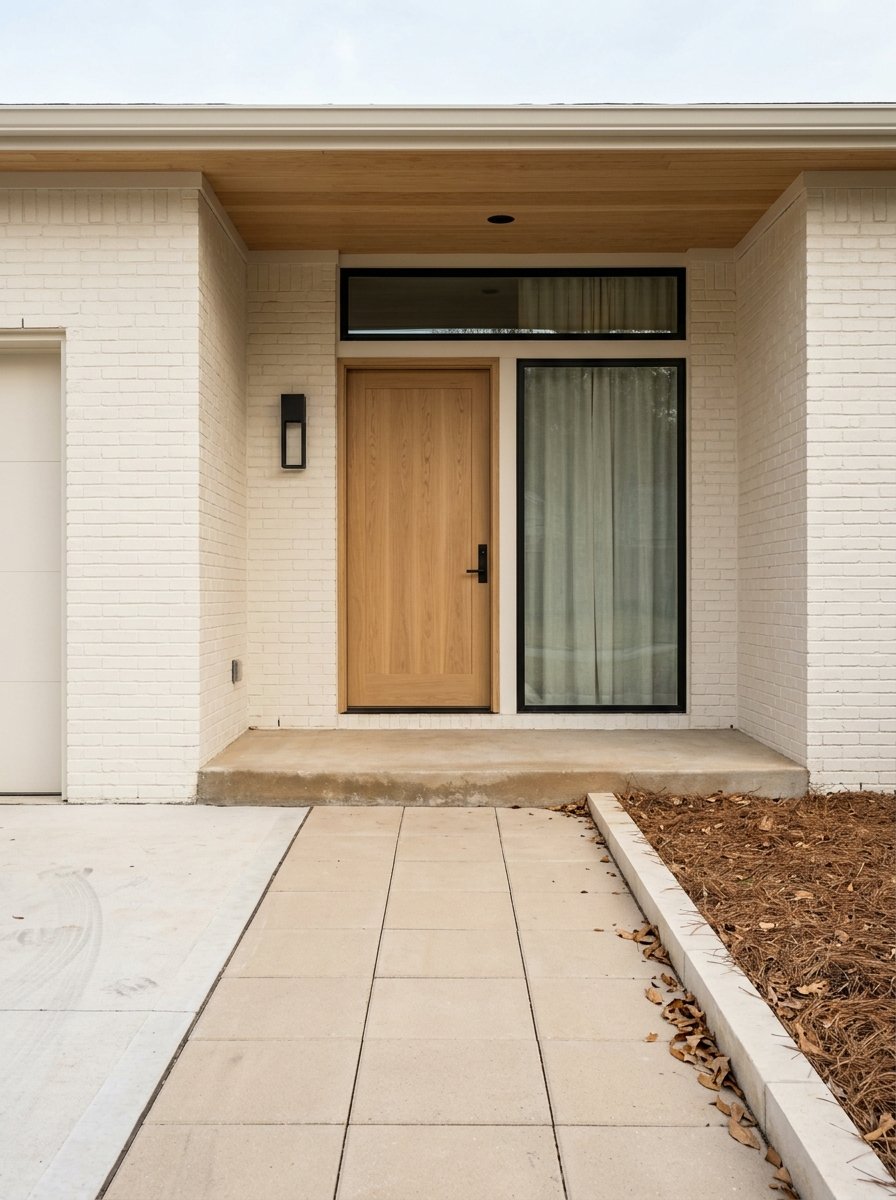
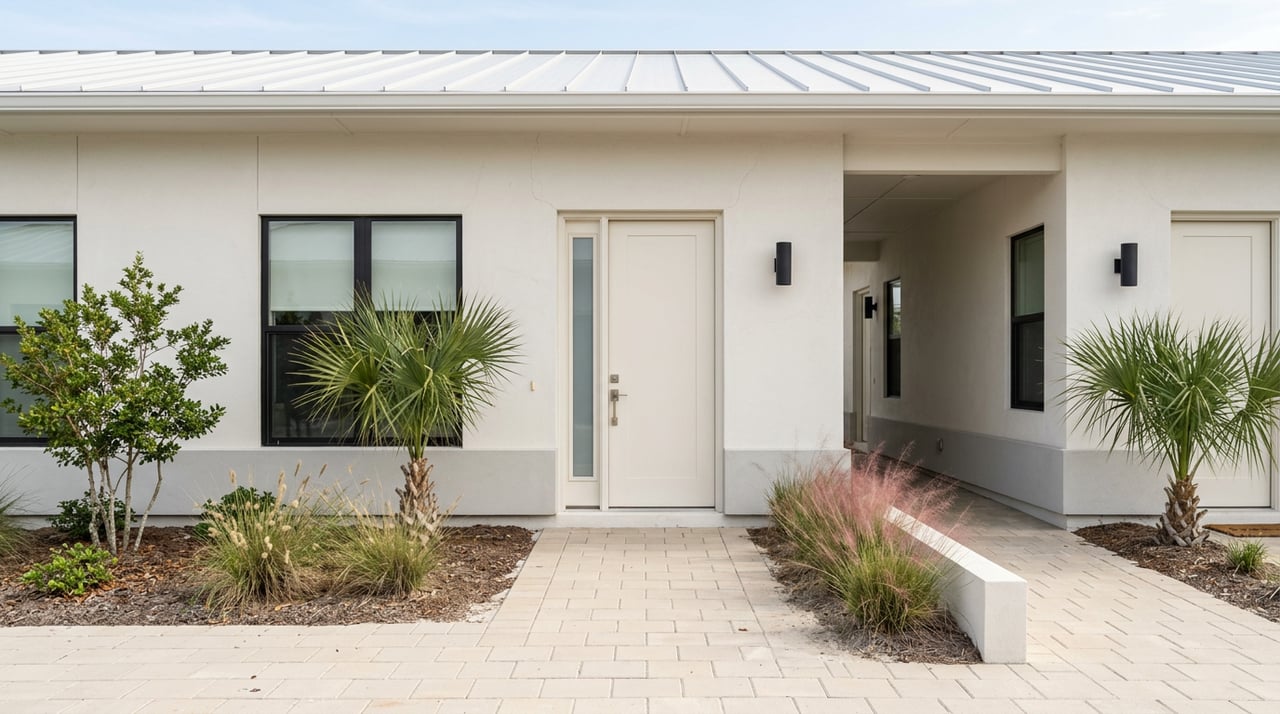
Thinking about a home in a Milton subdivision and wondering how the HOA will affect your day-to-day and budget? You are not alone. Buyers often love the curb appeal and amenities, but want clarity on rules, fees, and what to expect at closing. This guide breaks down what HOAs in Milton typically cover, how fees work, what to review before you make an offer, and local watch-outs specific to Santa Rosa County. Let’s dive in.
Florida HOA basics you should know
What an HOA can do in Florida
In Florida, most single-family subdivisions with associations are governed by Florida Statutes Chapter 720. Associations can adopt and enforce covenants, levy assessments, impose fines, and require approval for exterior modifications based on the community’s governing documents. They can also place liens and, under certain circumstances, pursue foreclosure for unpaid assessments. Always confirm whether a neighborhood is an HOA or a condominium association, because different statutes apply.
City or county vs. HOA responsibilities
The City of Milton and Santa Rosa County handle public services such as permitting, code enforcement, and maintenance of public roads and utilities. HOAs typically handle private roads, gate systems, entry features, common-area landscaping, amenities, and aesthetic enforcement. Ask whether roads, drainage, and street lighting in your target subdivision are public or private, since private infrastructure usually means higher ongoing HOA responsibilities.
What Milton HOAs usually cover
- Exterior appearance controls, including paint colors, roofing, fencing, landscaping, and driveways.
- Architectural review for additions, exterior changes, sheds, fences, and solar installations, subject to state limits on unreasonable restrictions.
- Common-area maintenance, such as entry monuments, medians, and community landscaping.
- Amenity operations for pools, clubhouses, playgrounds, fitness rooms, and courts.
- Private roads, gates, and street lighting within the community if not turned over to the city or county.
- Use restrictions that may address short-term rentals, parking for boats and trailers, noise, and pets.
- Enforcement procedures for violations and collections for unpaid dues.
How fees work and what to expect
What drives HOA dues
Dues reflect services and long-term planning. Communities with minimal amenities usually have lower fees that cover common landscaping, insurance for monuments, and basic administration. Amenity-rich or gated neighborhoods add costs for pools, security gates, private road upkeep, and reserves. Management style also matters. Professionally managed HOAs often cost more to run than self-managed boards, but they may provide consistent operations and faster document delivery.
Typical fee ranges in the area
Fee amounts vary by community size, amenities, and reserves. In the Florida Panhandle, you often see:
- Minimal-service subdivisions with low monthly or modest annual dues.
- Typical single-family HOAs in a moderate range around 50 to 200 dollars per month or equivalent annually.
- Amenity-rich or gated communities in the range of 150 to 400 dollars or more per month.
These are illustrative ranges. Always verify exact dues for each Milton subdivision and confirm what they cover.
For a national perspective on how associations budget and plan reserves, see the Community Associations Institute.
Documents and disclosures to review before you buy
Must-review HOA documents
Ask for these as early as possible:
- Declaration of Covenants, Conditions and Restrictions and any amendments.
- Bylaws, Articles of Incorporation, Rules and Regulations, and Architectural Guidelines.
- Current budget, recent financial statements, and the latest reserve study.
- Meeting minutes from the last 12 months and any special meeting notes on assessments or major projects.
- Insurance summary showing the master policy and what owners must carry.
- A list of regular assessments, any scheduled increases, and a fee schedule for move-in, keys, fobs, and applications.
Estoppel and resale certificates in Florida
Before closing, you should receive an estoppel or resale certificate that states whether the seller is current on dues, lists outstanding fines, and discloses regular and special assessments. Associations may charge a preparation fee and need time to produce the documents, so build this into your contract timeline. Condominium resale disclosures follow different rules, so confirm the community type.
Special assessments, reserves, and insurance
Healthy reserves reduce the risk of surprise special assessments. Review reserve balances, the most recent reserve study, and budget history for the past 3 to 5 years. Ask whether any special assessments are pending or expected in the next 12 to 36 months. Confirm what the association’s insurance covers versus what you must insure for your home and personal property.
Local considerations in Milton and Santa Rosa County
Private roads and drainage
Some subdivisions keep roads and stormwater systems under HOA control. Private roads, drainage easements, and street lighting can be significant ongoing expenses. Verify ownership and maintenance responsibility with the HOA and confirm public versus private infrastructure with the city or county.
Rentals near major employers
Proximity to Naval Air Station Whiting Field and regional job centers can influence rental demand. Some HOAs adopt rental policies, including minimum lease terms or caps. If you plan to rent, confirm the rules, approval process, and any lease restrictions before you make an offer.
Hurricanes and resilience planning
Our coastal climate means planning for storms and repairs. Ask about storm-related reserve planning, insurance deductibles for common areas, and the association’s process for post-storm clean-up and temporary repairs. Review any past special assessments tied to hurricane damage.
Buyer checklist and key questions
Documents to request
- Full CC&Rs and all amendments.
- Bylaws and Articles of Incorporation.
- Rules and Regulations and Architectural Guidelines.
- Current budget, most recent financials, and latest reserve study.
- Last 12 months of board meeting minutes and any special meeting notes.
- Assessment amounts, due dates, and any planned increases.
- Estoppel or resale certificate with owner status, fines, and transfer fees.
- Fee schedule for applications, keys, fobs, gate cards, and violations.
- Insurance summary for the association’s master policy.
- Management details, including whether the community is self-managed or professionally managed.
- Any open or recent litigation involving the association.
- Rental, guest, and leasing rules, including any caps or minimum terms.
Questions to ask before making an offer
- What are the current assessments, and are increases planned?
- Are there any active or upcoming special assessments in the next 12 to 36 months?
- What services and amenities are covered by the dues, and what are owner responsibilities?
- What is the reserve fund balance, and when was the last reserve study completed?
- Has the association had litigation in the past 5 years, or is any pending?
- Are short-term rentals allowed? What are the minimum lease terms and any rental caps?
- What are the rules for parking, boats, trailers, and pets?
- How are rules enforced, and what does the recent enforcement history look like?
- Are roads, drainage, sidewalks, and lighting public or private, and what are the maintenance plans?
- What are the estoppel, transfer, or application fees, and how long is the typical turnaround for documents?
- Is the community self-managed or professionally managed? Who is the contact?
- How are board members elected, and what does turnover look like?
Red flags to watch for
- Low reserve balances and frequent or large special assessments.
- Ongoing or frequent litigation.
- Inconsistent rules or selective enforcement.
- High transfer or resale fees and long document delays.
- Unclear responsibility for roads and stormwater infrastructure.
Timeline tips for your offer and closing
- Include an HOA document review contingency and request the packet immediately.
- Confirm the expected timeline and fees for estoppel documents so you can plan your closing.
- If you are financing, ask your lender what HOA documents they need and connect them with the association or manager early.
Choosing the right Milton subdivision comes down to fit, costs, and clarity. When you understand what the HOA controls, how dues are set, and what to look for in the documents, you can buy with confidence and avoid surprises after closing. If you would like local guidance tailored to your goals, connect with Michael Tracy for next steps.
FAQs
What does an HOA fee usually cover in Milton subdivisions?
- Dues commonly fund common-area landscaping, amenities like pools or gates, private roads and lighting if applicable, reserves for future repairs, and administrative costs.
Are subdivision roads public or private in Milton, FL?
- It depends on the plat and turnover; verify with the HOA and confirm with the City of Milton or Santa Rosa County whether roads and drainage are public or remain HOA maintained.
Can a Florida HOA fine or foreclose for unpaid dues?
- Under Florida Statutes Chapter 720, HOAs can impose fines and may record liens and pursue foreclosure for unpaid assessments, subject to statutory procedures.
How should I evaluate special assessments risk?
- Review reserve balances, the latest reserve study, and 3 to 5 years of budgets; ask about any pending or projected special assessments in the next 12 to 36 months.
Are short-term rentals allowed in Milton HOAs?
- Policies vary by community; some allow short stays while others require minimum lease terms or cap rentals, so confirm rules and approval steps in writing.
Which documents should I request before making an offer?
- Ask for CC&Rs, bylaws, rules, architectural guidelines, current budget, financials, reserve study, recent minutes, insurance summary, fee schedule, and an estoppel or resale certificate.