Should you pay a premium for water or keep your budget and upkeep in check inland? If you are weighing Gulf Breeze waterfront living against an inland home, you are not alone. You want clarity on price, insurance, maintenance, commute, and resale so you can make a confident choice. This guide breaks down the tradeoffs and gives you a practical plan for touring homes and comparing options side by side. Let’s dive in.
Gulf Breeze market basics
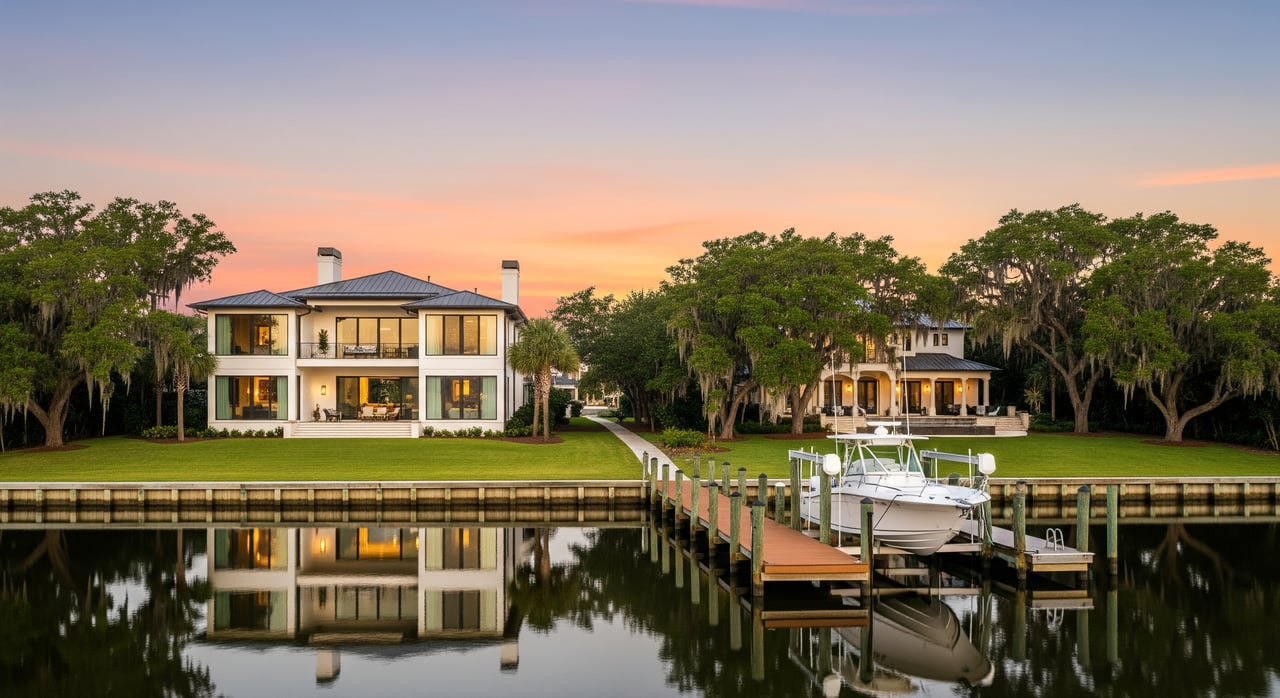
Gulf Breeze sits on the Fairpoint Peninsula along Pensacola Bay and Santa Rosa Sound. Waterfront parcels with open bay, sound frontage, or canal access are relatively scarce, and that scarcity drives premiums for homes with water views and boat access. Premiums vary by water type, lot elevation, dock and seawall condition, and seasonal demand.
To quantify the difference in your target area, compare recent closed sales from the local MLS for similar homes. Look at price per square foot, days on market, sale-to-list ratio, and multi-year appreciation trends. Use the Santa Rosa County Property Appraiser for parcel details and sales history, and confirm lot lines and water access with county GIS and aerials.
Waterfront vs inland at a glance
| Factor | Waterfront | Inland |
|---|---|---|
| Upfront price | Typically higher due to scarcity, views, and boat access | Generally lower for similar size and age |
| Insurance | Often requires flood plus higher wind coverage; premiums influenced by elevation and mitigation | Often lower insurance costs; flood may not be required depending on zone |
| Maintenance | Seawall/dock care, salt-air corrosion, exterior recoating more frequent | Fewer marine-related expenses; lower exterior wear |
| Risk exposure | Higher sensitivity to storm surge, erosion, and insurance changes | Typically lower flood and storm surge exposure |
| Permits | Docks and seawalls may require multi-agency permits | Fewer shoreline permits; standard building codes apply |
| Lifestyle | Direct water access, views, boating and fishing | Quieter yards, lower upkeep, easier proximity to daily services depending on neighborhood |
| Commute | Some lots are more remote; traffic can be seasonal near waterways | Often closer to main routes; still plan for seasonal traffic |
| Resale | Higher prices but narrower buyer pool; quality of dock/seawall and elevation matter | Broader buyer base; often more predictable in down markets |
Maintenance and lifecycle costs
Waterfront maintenance
Waterfront homes face salt-air exposure that accelerates wear. Expect ongoing attention to docks, pilings, and seawalls, including inspections and periodic repairs. Plan for more frequent exterior painting or staining and the use of marine-grade materials like stainless fasteners and composite decking. HVAC components, metal fixtures, and structural steel can corrode faster, and landscaping often benefits from salt-tolerant plants and erosion control.
Routine budgeting helps. Inspect docks and seawalls annually and after major storms. Schedule roof and shutter checks before hurricane season. Increase HVAC service frequency and monitor for moisture issues, mold, or wood-destroying organisms in humid conditions.
Inland maintenance
Inland homes generally see less corrosion and a lower frequency of exterior recoating. Without boat structures, you avoid seawall or dock costs. Maintenance will vary by lot features such as trees, drainage, and whether the home uses public sewer or a septic system.
Insurance and flood risk
Waterfront properties are more likely to sit within FEMA Special Flood Hazard Areas like AE or VE zones, where lenders usually require flood insurance. Elevation relative to Base Flood Elevation matters for pricing, and an Elevation Certificate is commonly used for rating. Both the National Flood Insurance Program and private carriers operate in this area, and a community’s participation in FEMA’s Community Rating System can reduce NFIP premiums.
Wind and hurricane coverage in Florida often carries separate deductibles. Premiums are influenced by distance to open water, roof age and attachment, and compliance with building codes. Impact-resistant windows, hurricane shutters, and elevated foundations can support mitigation credits. If options are limited, Citizens Property Insurance may serve as a backstop. Always compare current quotes before contracting.
Permits and regulations to know
Confirm your flood zone on FEMA Flood Insurance Rate Maps and review the Base Flood Elevation for the parcel you’re considering. For docks, seawalls, boat lifts, or dredging, permits may be required from the Florida Department of Environmental Protection, the US Army Corps of Engineers for navigable waters, and Santa Rosa County. Local building code requirements, including wind standards and elevation rules in certain zones, are enforced by the county.
Environmental considerations such as sea-level rise and shoreline change should factor into your long-term plans. NOAA tools and the county hazard mitigation plan provide scenario planning resources for future exposure.
Lifestyle, commute, and resale
Waterfront lifestyle and tradeoffs
You gain direct boating and fishing access, open views, and a daily connection to the water. Some areas may offer privacy and a unique setting. In exchange, you carry higher ongoing maintenance, more complex insurance, and possible limits on dock size or boat type depending on permits. Seasonal boat traffic can affect noise and activity.
Inland lifestyle and tradeoffs
You trade direct water access for simpler upkeep and often lower insurance costs. Yards can feel quieter, and depending on the neighborhood, you may be closer to retail and schools. You will likely rely on public ramps or marinas for boating.
Resale patterns in Gulf Breeze
Waterfront homes often command higher prices but appeal to a narrower set of buyers who are comfortable with the costs and responsibilities. Marketability improves with a usable dock, a well-maintained seawall, favorable elevation, and mitigation upgrades. Inland homes tend to attract a broader buyer base and may sell more predictably during slower markets.
Decision framework you can use
Weigh these items side by side before you write an offer:
- Upfront cost: purchase price and the likely premium for water access and views.
- Recurring costs: property taxes, home and wind insurance, flood insurance, HOA or slip fees, and utilities.
- Maintenance: seawall and dock lifecycle, exterior materials, and landscaping.
- Risk exposure: flood zone, elevation relative to BFE, storm surge history, and erosion.
- Lifestyle value: daily enjoyment, privacy, views, and boat access.
- Resale: size of the buyer pool, rental potential if allowed, and future regulatory or insurance changes.
Your Gulf Breeze viewing plan
Pre-visit research
- Pull the FEMA flood zone, FIRM panel, and BFE for the parcel.
- Check the Santa Rosa County Property Appraiser for parcel details and recent tax assessments.
- Review HOA or POA documents for CC&Rs related to docks or boat restrictions.
- Request seller disclosures and any past insurance claims.
- Ask for the Elevation Certificate and recent seawall or dock inspection reports.
Schedule smart
- Visit at both high tide and low tide to see shoreline stability and boat clearance.
- Visit at different times of day to gauge noise and boat traffic.
On-site checklist
- Seawall or bulkhead: look for cracks, leaning, sinkholes, settlement, or water pooling behind the wall.
- Dock and lift: check pilings, rot, corrosion, hardware, and electrical safety.
- Exterior materials: note corrosion on gutters, fasteners, AC fins, and door hardware.
- Foundation and elevation: look for flood vents, crawlspace moisture, or past repairs.
- Roof and protection: confirm shutter type, door and window protection, and roof-to-wall connections.
- Interior signs: watch for musty odors, stains, or past water lines.
- Utilities: confirm public sewer versus septic, electrical service for boats, and lot drainage.
Specialist inspections
- Coastal-experienced home inspector.
- Marine contractor for seawall and dock evaluation with a written report.
- Structural engineer if pilings or foundation questions arise.
- Certified pest inspector and mold inspection if moisture is suspected.
- Elevation Certificate confirmation and flood insurance quotes from an agent.
Documentation and negotiation
- Request maintenance records, permits, and proof of repairs for marine structures.
- Obtain contractor estimates for any needed seawall or dock work.
- Ask for full disclosures on flood or storm history and prior insurance claims.
Selling a waterfront home?
Get ahead of buyer questions. Order a recent seawall and dock inspection, complete needed repairs, or provide estimates with your listing. If you have an Elevation Certificate, include it. Gather permits and maintenance records for marine structures and major exterior work. Highlight mitigation features such as impact windows or elevated utilities in your marketing.
Ready to compare homes?
Whether you are aiming for sunsets on the Sound or a low-upkeep inland home, you deserve a clear plan and local insight. With more than 30 years in the Pensacola and Gulf Breeze markets, our team knows how to price, permit-check, and insure coastal properties. If you want a tailored comparison using current MLS comps, flood data, and real insurance quotes, reach out to Michael Tracy for a one-on-one strategy session. Schedule your next step with Michael Tracy.
FAQs
How big is the price gap between Gulf Breeze waterfront and inland homes?
- It varies widely by water type, elevation, dock and seawall condition, and demand; the best approach is a neighborhood-level MLS comp analysis using recent closed sales.
How do flood zones affect insurance for homes in Gulf Breeze?
- Waterfront parcels are more likely to be in AE or VE zones where lenders require flood policies; premiums depend on elevation relative to BFE and an Elevation Certificate is often needed for accurate rating.
What permits are needed to add or rebuild a dock or seawall in Gulf Breeze?
- Docks, seawalls, lifts, and dredging commonly need approvals from the Florida Department of Environmental Protection, the US Army Corps of Engineers for navigable waters, and Santa Rosa County.
How does hurricane season change my insurance costs in Gulf Breeze?
- Florida policies often include separate windstorm deductibles; premiums reflect roof age and attachment, distance to open water, and mitigation credits for features like impact windows and elevated foundations.
What should I look for during a waterfront showing in Gulf Breeze?
- Visit at high and low tide, inspect the seawall and dock for damage or corrosion, check roof and shutter protection, look for interior moisture signs, and verify utilities and lot drainage.