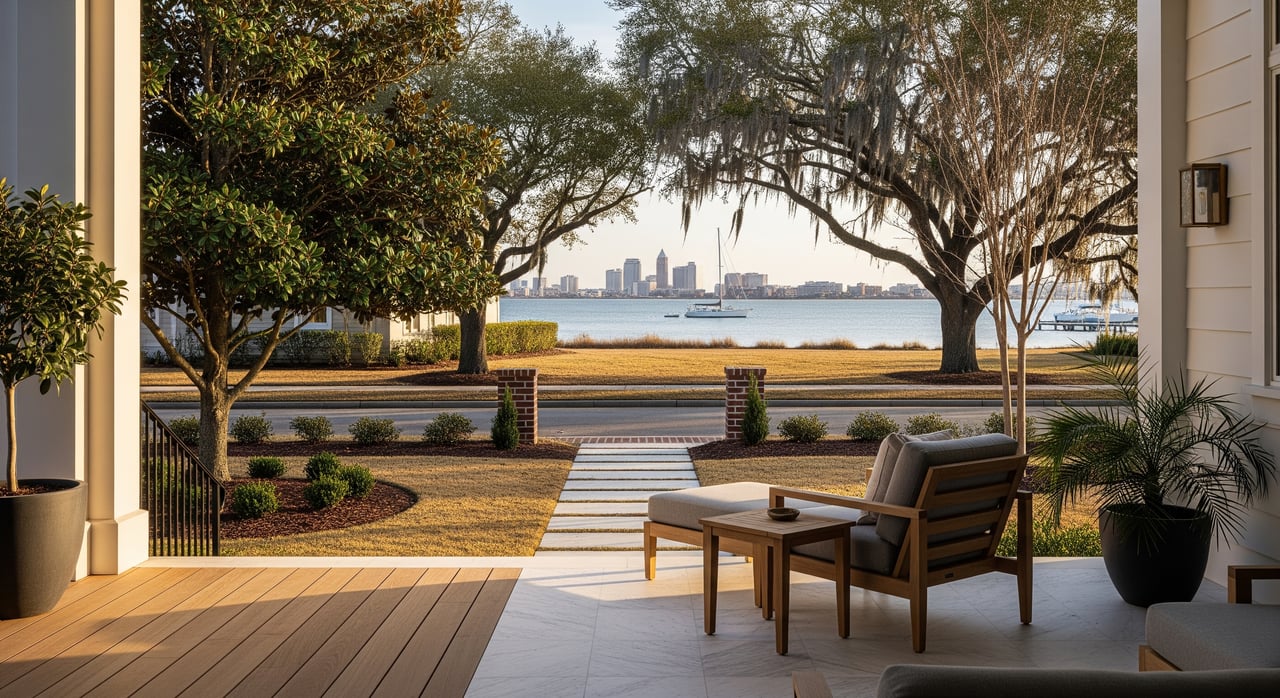
Do you want the buzz of restaurants and festivals at your doorstep, or a quiet yard where the grill and the dog can rule the weekend? If you are weighing downtown Pensacola against suburban-style neighborhoods, you are not alone. Each option offers a real lifestyle shift, from walkability and nightlife to garage space and calmer streets. This guide breaks down housing, commutes, schools, safety, and storm considerations so you can choose with confidence. Let’s dive in.
Downtown vs suburban at a glance
Downtown energy
- Walk to dining, events, waterfront parks, and the Palafox and Seville Square corridors.
- Condos, lofts, and historic homes on smaller lots; less private outdoor space.
- Shorter drives to central jobs and entertainment; parking varies by building and block.
- Higher evening and weekend activity, including festivals and visitors.
Suburban calm
- Larger single-family homes, garages, and yards on quieter streets.
- More driving for work, errands, and nightlife; car is the default mode.
- Community parks, playgrounds, and shopping centers nearby.
- Often HOA communities with neighborhood rules and shared amenities.
Housing styles and space
Downtown and core neighborhoods
You will find a mix of high-density condos, lofts above retail, and historic single-family homes. Many older homes have architectural character and smaller lots. Some properties may fall under local historic-preservation or conservation rules, which can affect exterior changes and renovation timelines. Expect limited private yard space and variable onsite parking, balanced by walkable access to daily needs and entertainment.
Suburban pockets in and near Pensacola
Suburban-style areas tend to feature mid-century ranches, newer subdivisions, and planned communities with garages and larger yards. Newer construction often includes modern energy features and wind-resistance updates that reflect regional building codes. Many subdivisions have HOAs that set community standards and offer amenities like a pool or playground. If you want space for hobbies, pets, or a workshop, this is where you will likely find it.
Commute and transportation
How you get around
Across the Pensacola area, the automobile is the dominant way to get to work and run errands. The central core offers higher walkability and bikeability, especially around Palafox Street and Seville Square. If you prefer to walk to dinner or a show, downtown living fits that pattern.
Public transit is available through Escambia County Area Transit, which connects residential areas with downtown, but service levels are more limited than larger metros. Suburban living generally involves more driving to reach downtown, military bases, hospitals, and retail corridors.
Commute corridors
If you plan to live outside the core, your daily routes may include I-110 with access to I-10, U.S. 98, and other arterials. Peak periods can slow travel on these corridors. Check current conditions and planned projects through the Florida Department of Transportation when you evaluate commute tradeoffs.
Lifestyle, dining, and events
Downtown culture
Downtown is the center of nightlife and dining, with craft bars, live music venues, and late-night options concentrated along the Palafox corridor and near the waterfront. The core hosts frequent festivals, art walks, and concerts that pull both locals and visitors. To preview the rhythm of events, explore the calendar from Visit Pensacola.
Suburban rhythm
Suburban areas lean into daytime amenities. You will find shopping centers, family restaurants, movie theaters, and community recreation centers. Evenings are quieter on neighborhood streets. Many residents plan downtown outings for special nights and use suburban parks and trails for everyday recreation.
Schools, parks, and healthcare
Public schools are administered by the Escambia County School District. School quality and programs can vary by boundary, and there are magnet and specialty options in the region. For current information, review district resources and the Florida Department of Education’s accountability pages. Always verify assigned schools by address before you make an offer.
Downtown residents enjoy quick access to bayfront parks and walkable green spaces, while suburban neighborhoods typically offer larger community parks, playgrounds, and sports fields. Healthcare needs are served by regional hospital systems and specialty centers across the metro, so consider your preferred providers’ locations along with commute routes.
Safety, noise, and seasonality
Central business districts often record more property crime and nightlife-related incidents, while many suburban areas report lower overall crime. Patterns can vary block by block. Check address-level trends and neighborhood context with the Pensacola Police Department and county resources during your search.
Tour during different times of day and days of the week. Weekend festivals and tourism can elevate downtown activity and strain parking. Suburban streets are generally calmer at night, which some buyers value for routines and sleep.
Hurricanes, flooding, and insurance
Living on the Gulf Coast means you should evaluate storm and flood risk for any address you consider. Coastal and low-lying downtown parcels can have higher exposure to storm surge and flooding, while some inland suburban areas sit on higher ground. Risk is not uniform, so verify property-specific details.
Use these steps for clarity:
- Check the property’s flood zone with the FEMA Flood Map Service Center.
- Ask sellers for insurance history and prior storm or flood claims.
- Get early quotes for wind and flood coverage. Many properties rely on the National Flood Insurance Program or private carriers.
- For older homes, review wind mitigation features and any updates that align with post-hurricane building codes.
A simple neighborhood pathfinder
Think of your options on a spectrum from most walkable to most yard space. These categories can help you organize tours.
- Downtown core. Walk to restaurants, events, and waterfront parks. Expect condos and historic homes with smaller lots and variable parking.
- Inner-city historic streets near downtown. Quieter blocks with character, older homes that may need renovation, and walkable reach to downtown amenities.
- Mid-city and suburban-feel pockets. Larger single-family homes, drive-first lifestyle, proximity to schools, parks, and shopping.
- Edge-of-city and bedroom communities. Newer subdivisions and planned developments with community features and an easy path to garages and workshops.
When you compare addresses, verify renovation rules with the City’s planning office and any HOA or community guidelines. The City of Pensacola Planning and Zoning page is a good starting point for maps, districts, and permits.
What will it cost month to month
Your monthly budget will look different downtown versus the suburbs, even at similar purchase prices.
- Downtown condos often include HOA fees that can cover building insurance, common areas, and amenities. Parking may be assigned, leased, or street-based, which can add cost.
- Historic homes may require specialized contractors and careful permitting for exterior work.
- Suburban homes in HOAs usually have lower shared costs than full-service condos, but you will cover your own exterior maintenance and may want a larger yard budget.
- Insurance can vary by flood zone and wind risk. Get quotes early for apples-to-apples comparisons.
For current sale prices, trends, and property histories, consult the Escambia County Property Appraiser and your agent’s MLS resources. The Escambia County Property Appraiser site is helpful for parcel details and historical data.
Your decision checklist
Use this quick list to clarify your fit before you tour.
- Commute reality. Map daily trips to central jobs, NAS Pensacola, hospitals, and shopping. Confirm drive-time ranges and bus options with ECAT.
- School alignment. Verify assigned schools by address with the Escambia County School District and review state report cards via the Florida Department of Education.
- Noise and parking. Visit at night and on weekends. Look for event traffic downtown and check building or street parking rules.
- HOA and historic rules. Ask for HOA documents or historic-district guidelines, and factor in any exterior restrictions.
- Storm profile. Pull the FEMA flood map, ask for past claim history, and request wind and flood insurance quotes.
How Michael Tracy helps you compare
You should not have to guess which side of the spectrum fits your life. With more than 30 years in the Pensacola market, our team brings neighborhood context, builder and subdivision insight, and the right questions to surface the best match. We help you weigh walkability against yard space, estimate true monthly costs, and verify schools, flood zones, and insurance early in the process.
Ready to tour both lifestyles side by side and decide with clarity? Schedule a Free Consultation with Michael Tracy to map your search and see smart options in person.
FAQs
What is downtown Pensacola living like?
- Expect walkable access to dining, events, and waterfront parks, with condos and historic homes on smaller lots and more evening activity near Palafox and Seville Square.
How does suburban Pensacola differ from the core?
- You typically get larger homes, garages, and yards on quieter streets, with more driving for work, errands, and nightlife compared to the downtown core.
Is public transit a realistic option in Pensacola?
- ECAT bus service connects neighborhoods with downtown, but frequency and coverage are more limited than larger metros, so most residents drive.
How should I check school options by address?
- Confirm assigned schools with the Escambia County School District and review performance data via the Florida Department of Education.
What about flood risk and insurance near the water?
- Verify flood zones for each address using the FEMA Flood Map Service Center and get early wind and flood insurance quotes to compare costs.
Are there special rules for historic homes downtown?
- Some areas have historic-preservation guidelines that affect exterior changes; check maps, permits, and timelines with City of Pensacola Planning and Zoning.
How can I gauge safety differences by neighborhood?
- Review address-level data and trends with the Pensacola Police Department, tour at different times, and note nightlife and event patterns that influence activity.