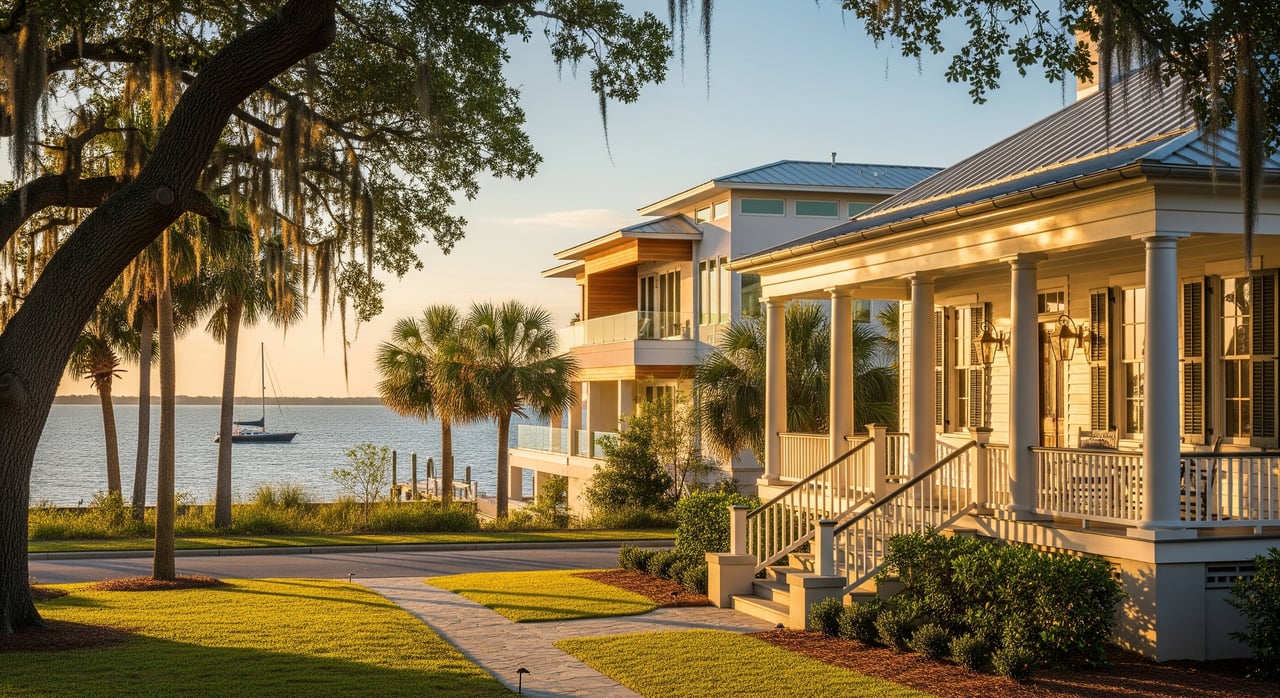
Curious why one Gulf Breeze home flies off the market in a week while another lingers for months? If you are buying or selling here in Santa Rosa County, that timeline matters. Days on Market, or DOM, can signal demand, pricing power, and the right way to structure your next move. In this guide, you will learn what DOM really measures, how it behaves in Gulf Breeze, and how to use it to your advantage. Let’s dive in.
What DOM actually measures
DOM is the number of days from when a property is first listed in the MLS until it goes under contract or is removed from the market. It shows how long a listing remains active. You will see a few versions in the wild, and the differences matter.
DOM types to know
- MLS DOM: The count tied to the current listing entry in the Northwest Florida MLS. It resets if a property is withdrawn and relisted as a new entry.
- Cumulative DOM: Adds up all active listing periods across relists so you see total market exposure. This gives a truer picture of how long a home has been seeking a buyer.
- Portal DOM: Public sites may display a different clock because of data lags or their own start dates. Use MLS data for accuracy.
Common pitfalls and why numbers differ
- Relisting and resets: Withdrawing and relisting can reset MLS DOM. Cumulative DOM or a look at listing history usually exposes this.
- Status toggles: Short off-market pauses can change the count. You need to read the history line by line.
- Price cuts: A price drop can bring fresh attention, but it does not erase cumulative DOM.
- Active, but hard to show: Tenant-occupied or seasonal properties may sit longer, which can inflate DOM without signaling low demand.
DOM is a helpful indicator, not a verdict. Always pair it with price history, recent comparable sales, condition, and broader market context.
Why DOM varies in Gulf Breeze
Gulf Breeze is a coastal market with unique drivers. Understanding them helps you read DOM the right way.
Buyer pools and demand patterns
- Owner-occupants and move-up buyers: Local professionals and households often prioritize commute access to Pensacola and nearby employment.
- Military and government: Proximity to NAS Pensacola supports steady demand from DoD-related personnel.
- Second-home and seasonal buyers: Emerald Coast appeal brings investors and vacation-home shoppers, which can spike activity in certain months.
- Spillover from beach markets: Buyers priced out of nearby beach areas may look to Gulf Breeze for value, affecting DOM when inventory is tight.
Seasonality you can expect
Spring and early summer typically bring more listings and faster buyer activity. That period often shortens DOM. Late fall and winter can lengthen DOM as showings taper, though vacation and rental considerations sometimes shift the pattern in coastal neighborhoods.
Property traits that move the needle
- Features that shorten DOM: Waterfront access, newer construction, and well-updated homes tend to sell faster.
- Features that can lengthen DOM: Homes needing renovation, flood-prone locations without mitigation, or properties with challenging layouts often sit longer.
- Property type differences: Older condos or buildings with complex association rules can show a different DOM rhythm than single-family homes.
Pricing and risk factors
Insurance costs, flood zones, and elevation can impact affordability, which shapes buyer pools and DOM. Families also consider school attendance zones as part of overall value. Commute access to Pensacola and regional job centers can add urgency in certain neighborhoods.
A simple DOM framework for decisions
Use this three-tier guide as a starting point, then confirm with neighborhood comps from the NWFL MLS.
Act fast: DOM under 2 weeks
- Buyer moves: Be ready with a pre-approval or proof of funds, schedule showings quickly, and consider strong terms like higher earnest money or faster closing.
- Seller takeaways: You likely priced well. Prepare for multiple offers and confirm appraisal strategies so you protect against gaps.
Investigate: DOM several weeks
- Buyer moves: Review comps, study price history, and check the sales-to-list trends nearby. A fair, clean offer can still win without extreme terms.
- Seller takeaways: Monitor showings and feedback. If activity slows, consider a targeted price adjustment or improved marketing.
Negotiate: DOM several months
- Buyer moves: Look deeper for causes. Ask about seller timing, verify insurance quotes and flood exposure early, and price repairs into your offer.
- Seller takeaways: Revisit list price, condition, and buyer friction points. Provide documentation like elevation certificates to remove uncertainty.
Buyer strategy by DOM
When DOM is short
If the home just hit the market and showings are brisk, plan for competition. Consider escalation language, larger earnest money, reduced contingency periods, and a closing timeline that meets the seller’s needs. Keep appraisal risk in view and anchor your top number in the comps.
When DOM is moderate
A few weeks on market can be normal for the neighborhood. Ask your agent to pull recent sales, including ratio of closed price to list price. Frame your offer around data, not list price alone, and match your terms to current activity.
When DOM is long
Use the extra time wisely. Review full MLS history to spot relists, days off-market, and price changes. Ask about the seller’s timeline. Verify flood zone and insurance early, especially for coastal properties where premiums can affect affordability. Do not assume a bargain. Confirm required repairs and compare to recent sales before you factor in concessions.
Seller strategy to shorten DOM
Price it right early
The first 2 to 3 weeks are your most important window. Correct pricing drives showings and serious offers. Overpricing leads to longer DOM and more visible price cuts that reduce leverage.
Prep and present with care
Market-appropriate staging, professional photos, and minor repairs reduce friction for buyers. Consider a pre-inspection to address surprises. For coastal homes, provide elevation certificates, insurance insight, and details on any mitigation work to build confidence.
Time your listing
Listing in late winter through spring can help shorten DOM in Gulf Breeze. Balance market timing with your personal schedule and the condition of your home.
Be transparent about relists
Avoid relisting to hide DOM unless you have real changes to present, such as a meaningful price reduction or completed improvements. If you relist, highlight the updates clearly so buyers understand the new value.
Manage hot-market offers
In low DOM pockets, prepare for multiple offers. Ask for highest and best if needed, require pre-approval, and consider strategies to handle appraisal gaps if supported by local comps.
Gulf Breeze DOM checklist
Use this quick list every time you evaluate a listing.
- Pull recent comparable sales from the same neighborhood, adjusting for seasonality when possible.
- Review MLS history: original list date, price changes, status changes, relist IDs, and any days off-market.
- Confirm which metric you are seeing: MLS DOM, cumulative DOM, or portal DOM.
- Check flood zone, elevation, and insurance notes. Ask about any recorded claims or mitigation work.
- Note property type and features that affect buyer pools, such as waterfront, lot size, or HOA rules.
- Cross-check public portals for consumer-facing timing, but trust NWFL MLS for accuracy.
- Prepare your plan: act fast if DOM is very short, or build a data-driven negotiation strategy when DOM is long.
Reading the timeline: action windows
- First 2 weeks: This is the seller’s high-energy window. Maximize exposure and respond quickly to interest.
- Weeks 2 to 6: Buyer urgency softens. Consider targeted price adjustments or improved marketing if activity stalls.
- Beyond 60 to 90 days: Time for deeper analysis. Reassess pricing, condition, title or insurance factors, and overall positioning.
Spotting resets and data gaps
Look for signs that the DOM story is incomplete. Compare listing IDs and original list dates in the MLS to detect relists. Watch for short off-market periods followed by a fresh launch and minor cosmetic changes without real improvements. When in doubt, verify cumulative DOM and ask direct questions through your agent.
Bottom line for Gulf Breeze
DOM is a powerful guide, but it works best with local context. In Gulf Breeze, seasonality, flood and insurance factors, commute access, and property type can all shape how long a home sits. Read the history, verify the numbers in the NWFL MLS, and pair DOM with neighborhood comps to make confident pricing and offer decisions.
If you want a clear, local plan for your next move in Gulf Breeze or greater Pensacola, reach out to Michael Tracy for a quick conversation. With decades of experience and full-spectrum representation, you will get a data-backed strategy that matches your goals to market reality.
FAQs
Does a long DOM mean a bargain in Gulf Breeze?
- Not automatically. Long DOM can reflect overpricing, condition, or insurance and flood concerns. Validate with neighborhood comps, inspections, and verified insurance info.
Why does DOM differ between MLS and public sites?
- Public portals use their own data feeds and timing, which can lag or reset differently. The NWFL MLS is the most accurate source for DOM and listing history.
When should I list to reduce DOM in Gulf Breeze?
- Late winter through spring often brings more buyers and faster activity. Compare recent seasonal patterns for your specific neighborhood before you decide.
How should DOM change my offer terms as a buyer?
- Short DOM usually calls for stronger terms like higher earnest money or faster closings. Long DOM can support concessions or price reductions, but always verify the cause.
Do waterfront homes in Gulf Breeze sell faster?
- Often yes, because of demand for water access and views. Still, flood zones and insurance costs can offset demand for some buyers, so outcomes vary by property.
Can sellers reset DOM, and how do I spot it?
- Relisting or status changes can reset MLS or portal counts. Check cumulative DOM, compare listing IDs, and review the full MLS history to see total exposure.